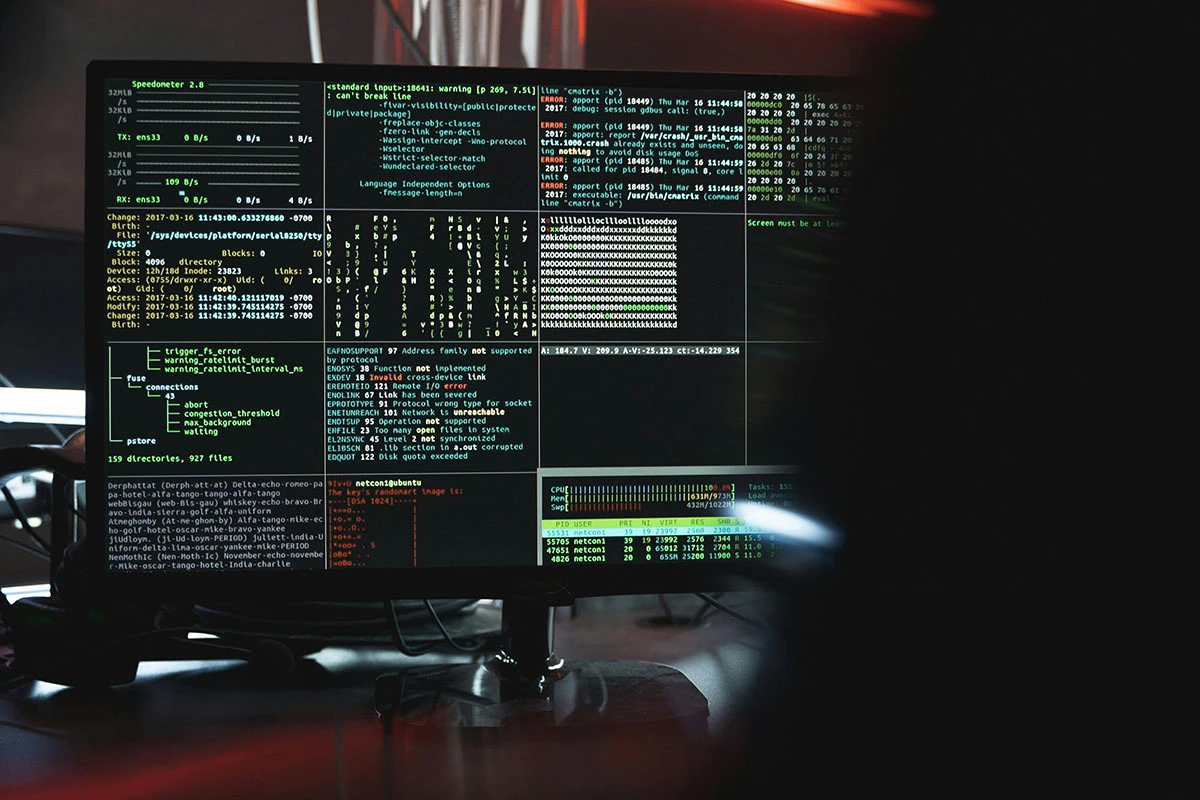
A data leak occurs when sensitive, confidential, or protected information is unintentionally exposed to unauthorized individuals. Unlike a data breach, which involves a deliberate attack, a data leak is often caused by human error or system vulnerabilities. This issue poses serious risks to both individuals and organizations, making it crucial to understand its causes, impacts, and prevention methods.
Causes of Data Leaks
1. Human Error
The most common cause of data leaks is human error, such as:
- Sending emails to the wrong recipient.
- Misplacing physical documents or USB drives.
- Incorrectly configuring security settings on cloud services.
2. Poor Security Practices
Weak security practices like using simple passwords, failing to update software, or lacking encryption can expose sensitive data to cyber threats.
3. Insider Threats
Insiders, such as employees or contractors, may unintentionally or intentionally share confidential information, leading to leaks.
4. Insecure Devices
Using unprotected devices like personal laptops or smartphones to access sensitive information can increase the risk of a data leak.
Risks of a Data Leak
1. Financial Loss
A data leak can lead to significant financial losses due to legal penalties, fines, and damage control expenses.
2. Loss of Trust
For businesses, a data leak can harm their reputation, resulting in lost customers and diminished brand trust.
3. Identity Theft
Sensitive personal data leaks can enable criminals to commit identity theft or fraud.
4. Competitive Disadvantage
For companies, leaked proprietary information can give competitors an advantage, impacting market position and revenue.
How to Prevent Data Leaks
1. Implement Strong Security Measures
- Use strong, unique passwords for all accounts and systems.
- Enable two-factor authentication for additional security.
- Regularly update software and systems to patch vulnerabilities.
2. Educate Employees
Conduct regular training sessions to educate employees about best practices in data security, such as identifying phishing attempts and securely handling information.
3. Use Encryption
Encrypt sensitive data both in transit and at rest to ensure that even if it is accessed, it remains unreadable without the decryption key.
4. Monitor and Audit Systems
Implement monitoring tools to track unusual activities and regularly audit access logs to detect potential risks.
The Role of Technology in Preventing Data Leaks
Data Loss Prevention (DLP) Software
DLP solutions monitor and control the transfer of sensitive data to prevent leaks through email, USB drives, or cloud storage.
Firewalls and Antivirus Programs
Firewalls and antivirus software protect against malware and unauthorized access that could lead to a data leak.
Secure Backup Solutions
Regularly backing up sensitive data ensures you can recover it in case of accidental deletion or cyberattacks.