It is a tempting proposition for any small business owner or startup founder: a fully functional WordPress website for just a few hundred dollars—or sometimes, even less. With countless budget freelancers and automated page-builders promising premium results on a shoestring budget, opting for the cheapest route feels like a smart financial shortcut.
However, in the digital marketplace, a website is not just a digital business card; it is the core infrastructure of your brand. When you pay for a bargain-basement website, you aren’t just saving money—you are inheriting a mountain of hidden liabilities.
Cutting corners on web development almost always guarantees higher costs down the road. Here is a look at what actually happens when you invest in a cheap WordPress site, and why it ultimately drains your business capital.
The Security Nightmare of Bargain Development
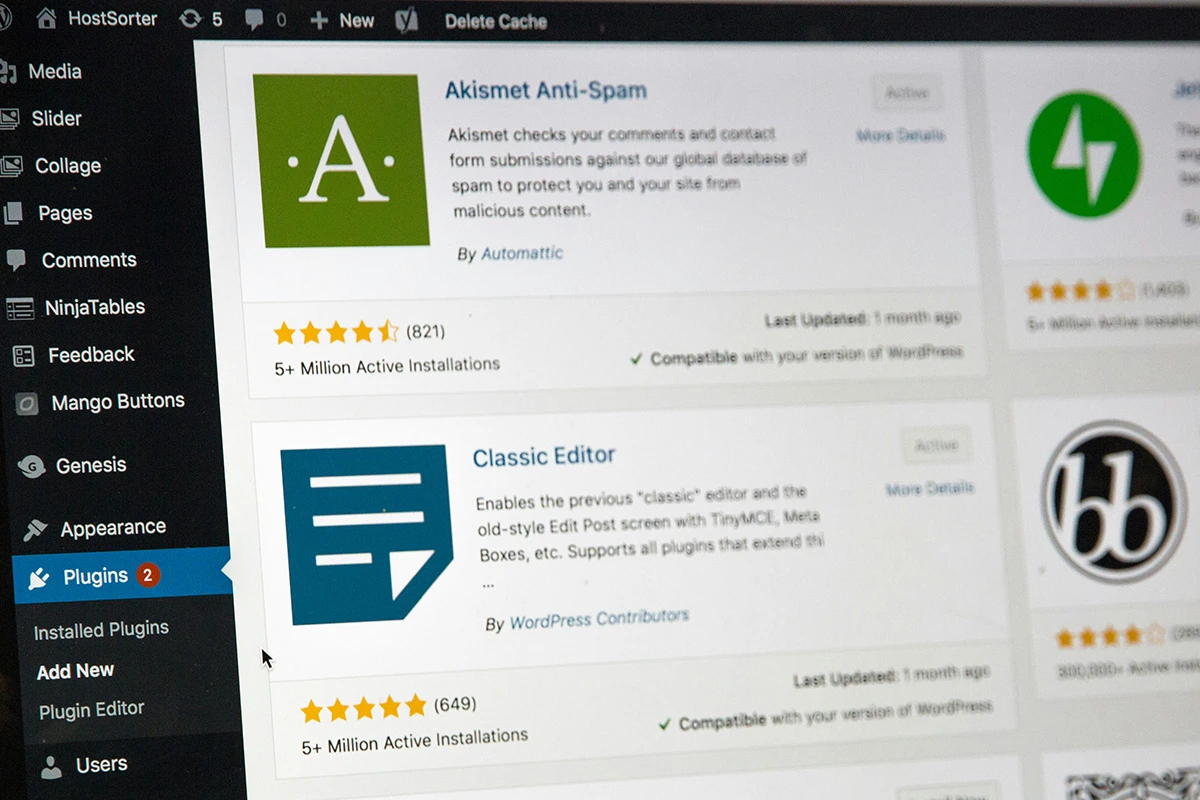
Cheap WordPress websites are usually put together as quickly as possible. To save time, budget developers rely heavily on pre-made templates and a patchwork of bloated, often outdated plugins. Even worse, many use nulled (pirated) premium plugins to keep their own overhead low.
This creates an incredibly fragile digital ecosystem. WordPress powers a massive portion of the internet, making it a primary target for hackers. When a site uses unverified plugins or abandoned themes, it leaves massive security loopholes open.
A single security breach can cost a business thousands of dollars in malware removal, database recovery, and legal liabilities. More importantly, if your site compromises user data or spreads malware, Google will quickly blacklist your domain, destroying your hard-earned reputation in an instant.
Code Bloat, Sluggish Speeds, and Lost Customers
User experience is directly tied to your bottom line. Modern internet users expect a website to load in under two seconds. If it takes longer, they simply click away and head straight to a competitor.
[Budget Themes + Excessive Plugins] ➔ Code Bloat ➔ Slow Load Times ➔ High Bounce Rates
Budget websites are notoriously slow because they are built on clunky, poorly coded frameworks. Instead of writing clean code tailored to your business needs, a cheap developer will stack dozen of heavy plugins to achieve basic features. This results in "code bloat," which drags down page speeds.
Furthermore, cheap packages rarely include proper image optimization, caching configurations, or high-quality hosting. You might save money on the initial build, but you will pay for it daily in lost conversions and abandoned shopping carts.
The Invisible Cost of Poor SEO Infrastructure
You can have the most visually stunning website in the world, but it means nothing if your target audience cannot find it on Google. Effective Search Engine Optimization (SEO) is not something you can simply plug in at the end of a project; it must be baked into the foundational architecture of the site.
Cheap WordPress sites frequently suffer from critical SEO flaws, including:
- Messy Header Hierarchy: Improper use of H1, H2, and H3 tags that confuses search engine crawlers.
- Poor Mobile Responsiveness: Layouts that break on mobile devices, resulting in search ranking penalties from Google's mobile-first indexing.
- Lack of Schema Markup: Missing structured data that helps search engines understand and properly display your content.
Fixing a fundamentally broken SEO architecture often requires a complete overhaul of the site, meaning you will end up paying a professional agency to rebuild what you already paid to create.
The Scalability Wall: Zero Room to Grow
Your business is dynamic, and your website should be too. Next year, you might want to launch an e-commerce storefront, integrate an advanced CRM, or build a custom customer portal.
The Reality of Cheap Code: Budget sites are usually built as static, rigid entities. Because the underlying code is a tangled web of cheap quick-fixes, attempting to add new features or scale the site often causes the entire platform to crash.
When your website hits a scalability wall, you are forced into an expensive cycle of emergency troubleshooting. Professional developers often refuse to work on poorly built sites because diagnosing someone else's bad code takes longer than building a clean site from scratch. You are left with two choices: stay stuck with a stagnant site, or pay to start over.
Shifting Focus from Cost to Return on Investment
A website should be viewed as an investment that generates revenue, not a business expense to be minimized. While a professionally engineered WordPress site requires a higher upfront commitment, it protects your brand, engages your visitors, and scales seamlessly alongside your business goals.
When planning your digital presence, remember that you rarely get more than what you pay for. Investing in quality from day one ensures that your website remains an asset that builds wealth, rather than a liability that drains it.
About the Author
This article was crafted by a professional digital strategist dedicated to helping brands navigate the complexities of modern web development and SEO. To learn more about building a sustainable digital presence or to discuss your next web project, feel free to visit my Personal Website and connect with me directly on LinkedIn.