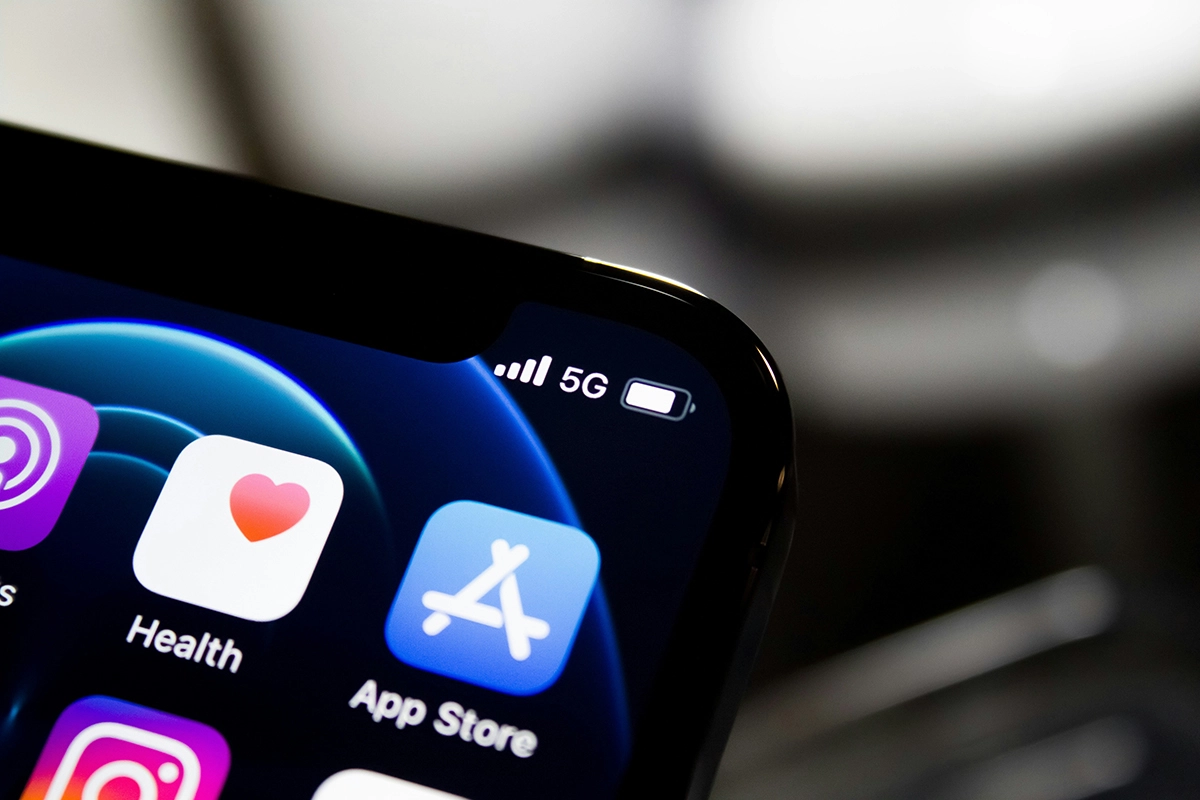
The 5G network is the fifth generation of mobile network technology designed to deliver faster speeds, lower latency, and more reliable connections than previous generations. As digital demands continue to grow, 5G is transforming how people communicate, work, and interact with technology in everyday life.
To understand what a 5G network is, it helps to look at its evolution. Before 5G, mobile networks progressed from 3G, which enabled mobile internet browsing, to 4G LTE, which introduced high-speed streaming, video calls, and mobile apps. The 5G network goes beyond these capabilities by supporting massive data transfer, ultra-low latency, and the ability to connect millions of devices simultaneously.
One of the key features of the 5G network is speed. In ideal conditions, 5G can be up to 100 times faster than 4G LTE. This allows users to download large files within seconds, stream ultra-high-definition videos without buffering, and enjoy smoother online gaming experiences. However, real-world speeds may vary depending on location, network coverage, and device compatibility.
Another major advantage of the 5G network is low latency. Latency refers to the time it takes for data to travel from one point to another. With 5G, latency can be reduced to just a few milliseconds. This improvement is critical for applications that require real-time responses, such as autonomous vehicles, remote surgery, virtual reality, and augmented reality technologies.
The 5G network also supports a wider range of devices through improved capacity. Unlike previous networks, 5G is designed to handle the growing number of connected devices, including smartphones, smart home systems, wearable technology, and Internet of Things (IoT) devices. This makes it a key foundation for smart cities, intelligent transportation systems, and advanced industrial automation.
In terms of how it works, the 5G network uses a combination of low-band, mid-band, and high-band radio frequencies. Low-band frequencies provide wide coverage, mid-band offers a balance between speed and coverage, and high-band frequencies—often referred to as millimeter wave—deliver ultra-fast speeds over shorter distances. This layered approach allows 5G to deliver both performance and reliability.
Despite its advantages, the rollout of 5G networks is still ongoing in many regions. Infrastructure upgrades, compatible devices, and regulatory approvals all play a role in determining availability. As coverage expands, more users and industries will be able to fully benefit from this technology.
In conclusion, the 5G network represents a major leap forward in wireless communication. With faster speeds, lower latency, and greater capacity, 5G is set to power the future of connectivity, enabling new innovations across entertainment, healthcare, transportation, and beyond.